Understanding the Importance of Regular Skin Checks for Early Skin Cancer Detection
Skin cancer is one of the most common types of cancer worldwide, yet many people underestimate the importance of regular skin checks. Early detection plays a crucial role in successful treatment and can save lives. This blog explores why regular skin checks matter, how to perform them, and what signs to watch for.

Why Early Detection of Skin Cancer Matters
Skin cancer develops when skin cells grow uncontrollably, often due to DNA damage from ultraviolet (UV) radiation. The three main types are basal cell carcinoma, squamous cell carcinoma, and melanoma. Melanoma is the most dangerous because it can spread quickly to other parts of the body.
Detecting skin cancer early increases the chances of effective treatment. When caught in its initial stages, many skin cancers can be removed with minor procedures, reducing the risk of complications. For melanoma, early diagnosis can mean the difference between a simple surgery and more aggressive treatments like chemotherapy.
Regular skin checks help identify suspicious changes before they become serious. People who perform self-exams or visit a dermatologist regularly are more likely to catch skin cancer early.
When to See a Dermatologist
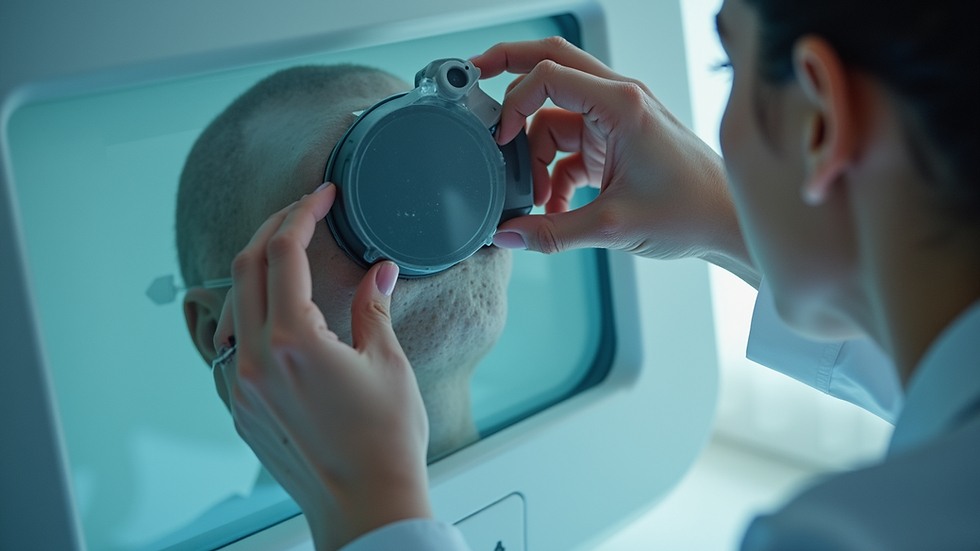
While self-exams are valuable, professional skin checks provide a more thorough evaluation. Dermatologists use specialized tools like dermatoscopes to examine skin lesions in detail.
You should see a dermatologist if you:
Have a personal or family history of skin cancer.
Have many moles or unusual moles.
Notice any suspicious changes during self-exams.
Have fair skin, light hair, or a history of sunburns.
Spend a lot of time outdoors or use tanning beds.
Experts recommend annual skin checks for people at higher risk, while others should consider professional exams every two years or as advised by their doctor.

Tips to Protect Your Skin and Reduce Cancer Risk
Prevention is key to reducing the risk of skin cancer. Along with regular skin checks, follow these practical tips:
Use sunscreen daily with at least SPF 30, even on cloudy days.
Wear protective clothing, hats, and sunglasses when outdoors.
Avoid tanning beds and prolonged sun exposure, especially between 10 a.m. and 4 p.m.
Seek shade whenever possible.
Stay hydrated and maintain healthy skin through a balanced diet.
By combining prevention with regular skin checks, you can significantly lower your risk of developing skin cancer.
Understanding the Role of Technology in Skin Cancer Detection
Advances in technology have improved early skin cancer detection. Mobile apps now help people track moles and skin changes over time. Some apps use artificial intelligence to analyze photos and flag suspicious spots, but they should never replace professional evaluations.
Teledermatology allows patients to send images to dermatologists remotely, increasing access to expert advice. However, in-person exams remain the gold standard for accurate diagnosis.
Final Thoughts on Skin Checks and Skin Cancer Awareness
Regular skin checks are a simple yet powerful tool in the fight against skin cancer. By knowing what to look for and acting quickly on changes, you can protect your health and improve outcomes.


Comments